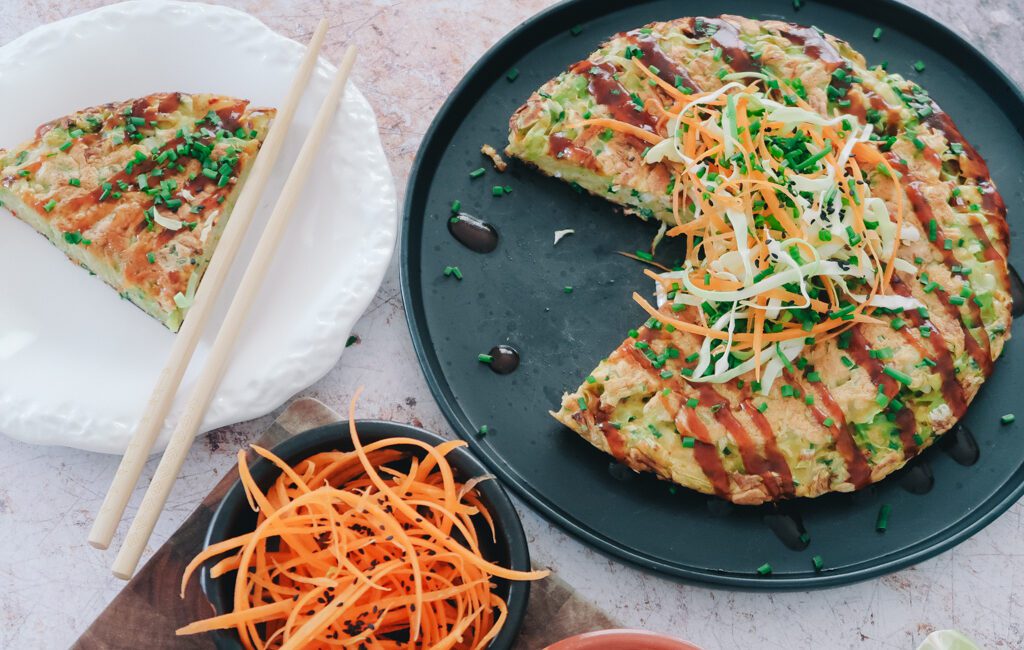
I cook Okonomiyaki pancakes with gochujang when I want something savoury and seriously moreish. They scratch the itch for Japanese flavours without asking for precision or ceremony, which makes this recipe surprisingly useful on an ordinary day.
I don’t recall the first time I ate Okonomiyaki. I just remember wanting them again and again. These okonomiyaki pancakes with gochujang sit somewhere between comfort food and total curiosity for me. I’m familiar enough with the ingredients now to cook them with confidence.
I love eating my way through Japanese restaurants near me, noticing the care that goes into dishes that look deceptively simple. I haven’t been to Japan yet. One day. Until then, I cook, and I dream a little.
This recipe is an easy way into Japanese flavours without overthinking them. It’s also forgiving, good for using up vegetables at the back of the fridge, or those weeks when protein feels scarce. Okonomiyaki pancakes with gochujang are endlessly adaptable, which is part of why I come back to them so often.
The texture of Okonomiyaki Pancakes with Gochujang.
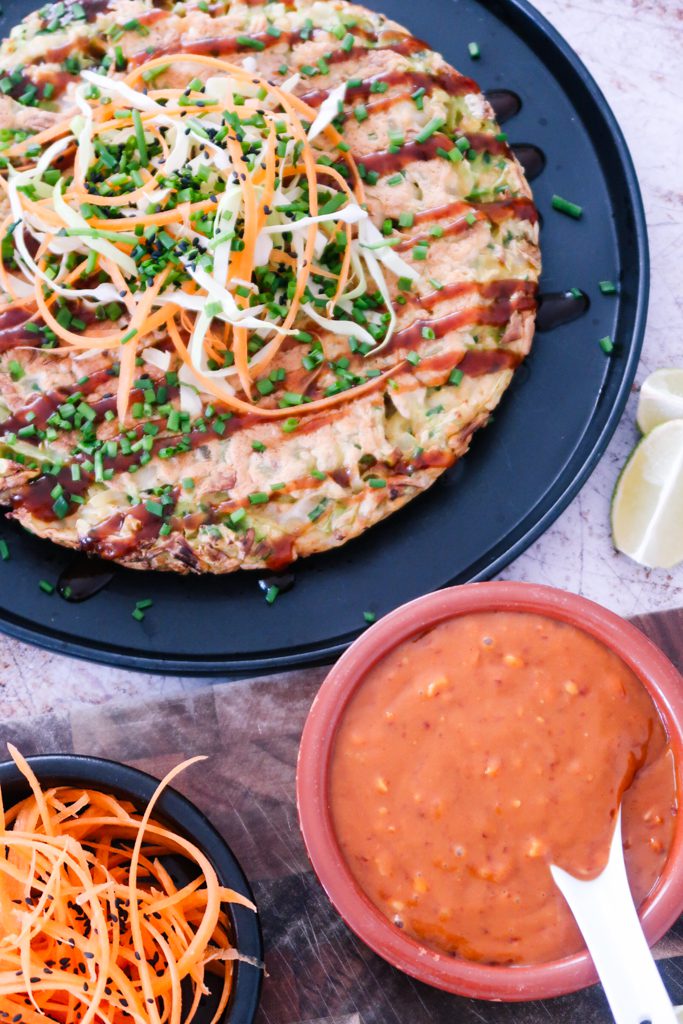
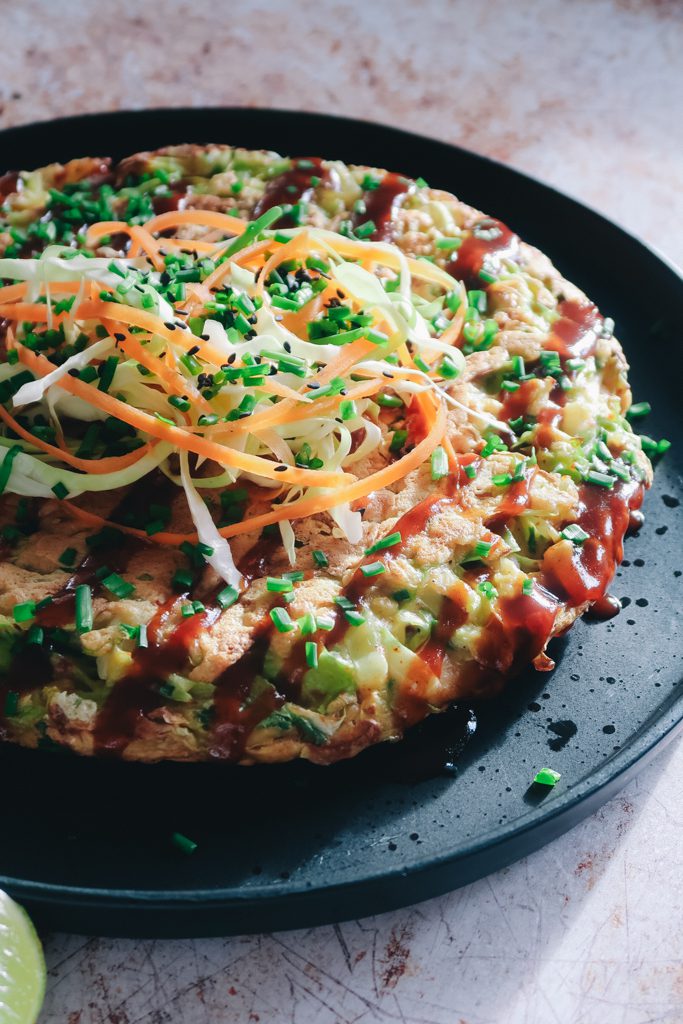
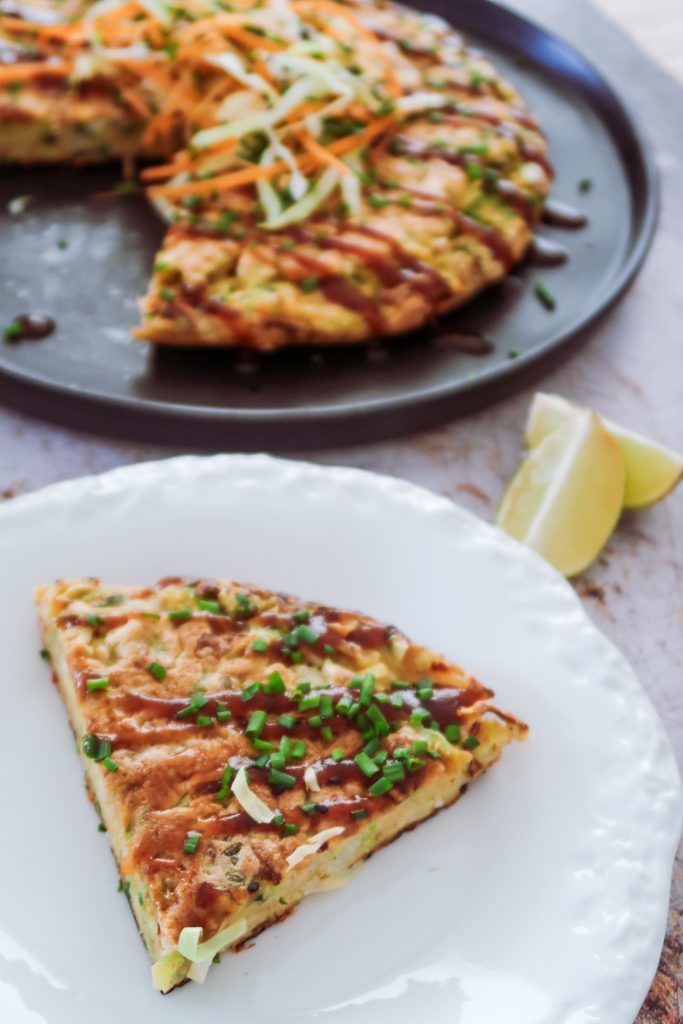
The edges matter most, so it’s worth paying attention to them as they cook. They catch in the pan and turn crisp and golden and I’ll let you into a little secret, this is the best bit. Inside, the cabbage softens but doesn’t disappear. It still has texture, and I like that. Too soft and the whole thing loses its point.
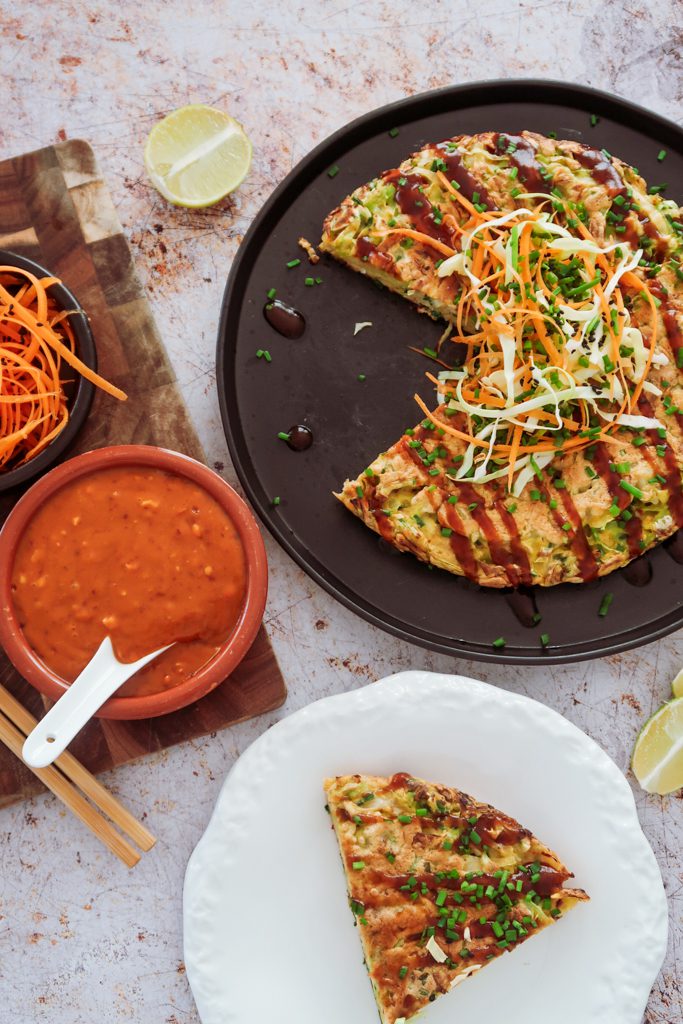
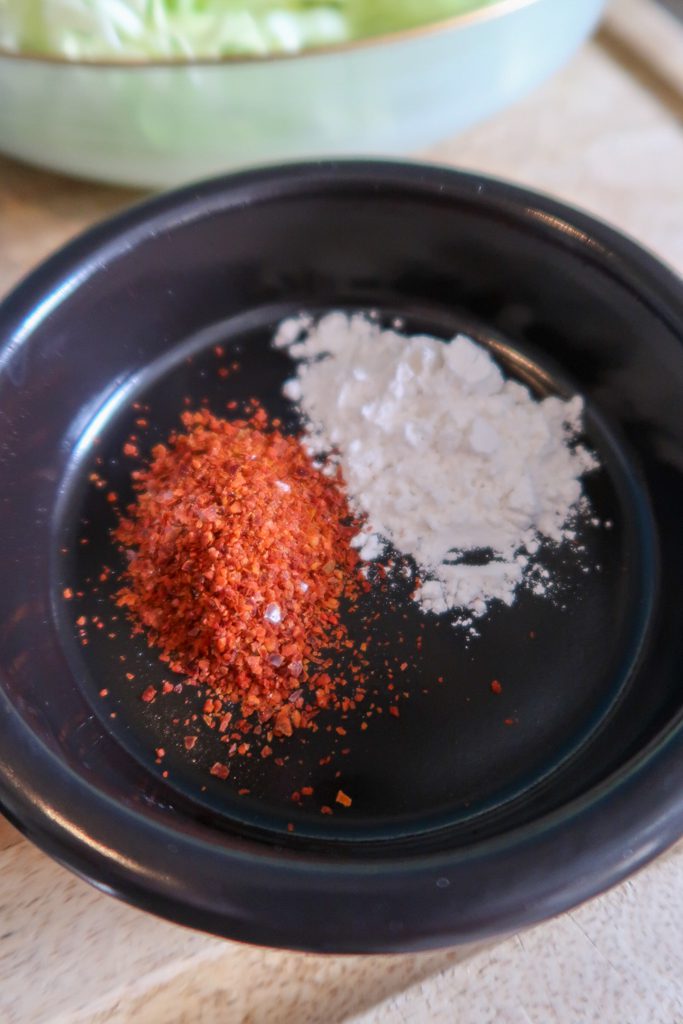
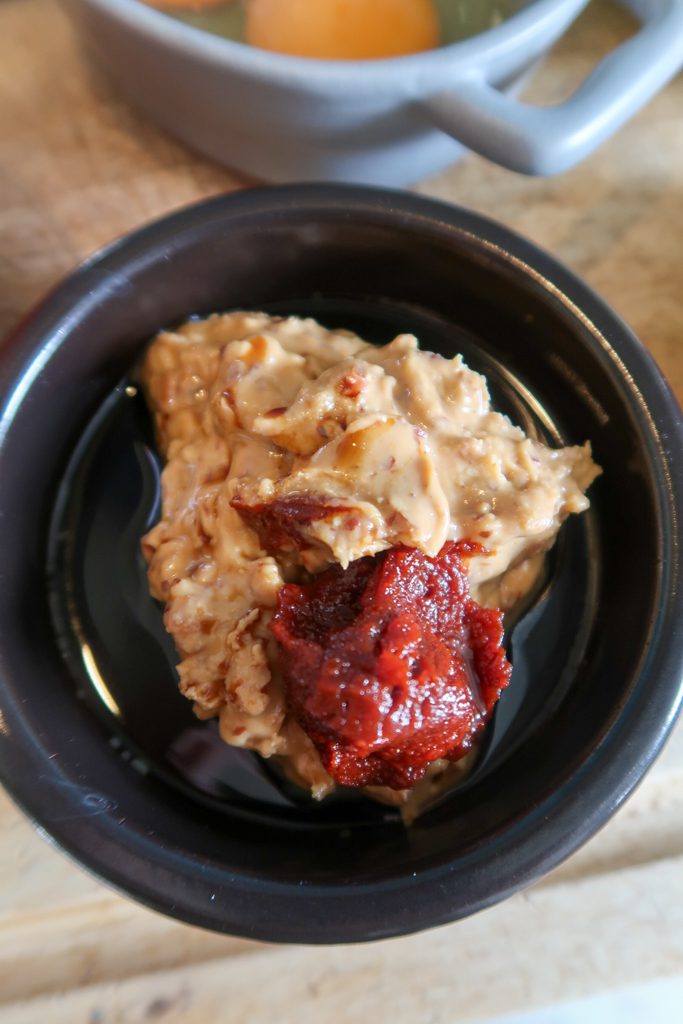
There’s warmth rather than ferocious heat. The gochugaru sits low in the batter, barely visible. You don’t notice it straight away. Then there’s the sauce. Nutty first. Savoury second. The gochujang arrives last, fermented, rounded, never aggressive. I keep it on the side because pouring it over would flatten everything. Dipping changes the experience. One bite clean. The next richer. A pause. Another tear. One more delightful dunk, and you’re converted, of this I am certain!
A Recipe With Street Food Energy
This is food for when you’re hungry and want something with a bit of street-food energy. When you want spice without it tipping into ferocious heat. When a takeaway feels like a commitment you’re not quite ready for.
It works for lunch, or for an early supper eaten slowly. It also works as a way into Japanese flavours if you’re curious but cautious. These pancakes don’t demand deep knowledge of Japanese cooking, which, let’s be honest, can feel daunting. They just ask that you simply cook and taste as you go.
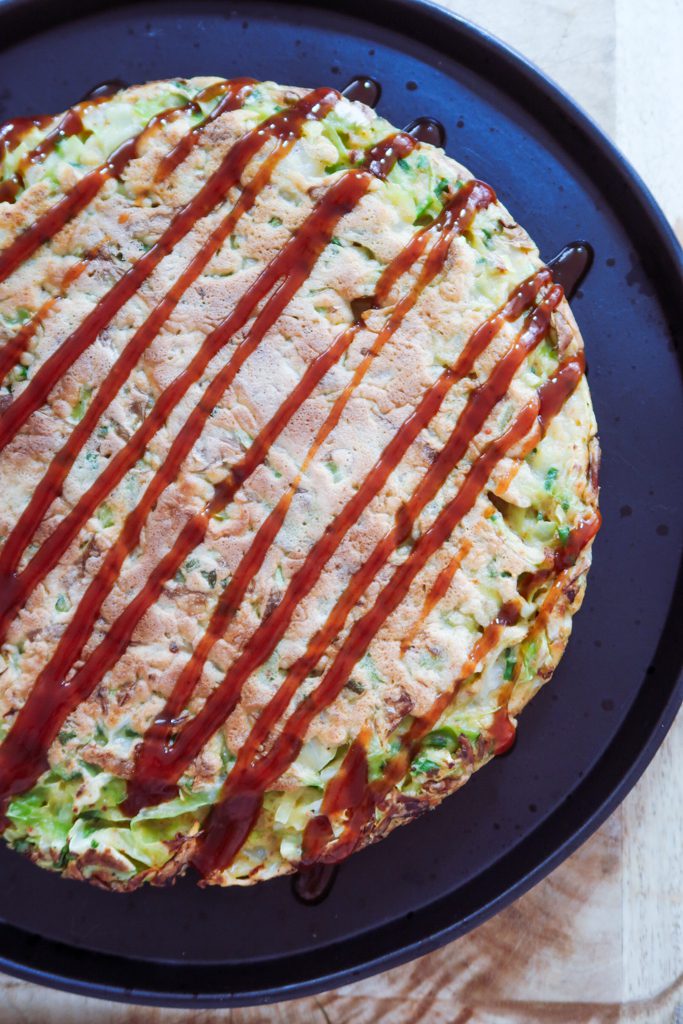
A few quiet serving thoughts
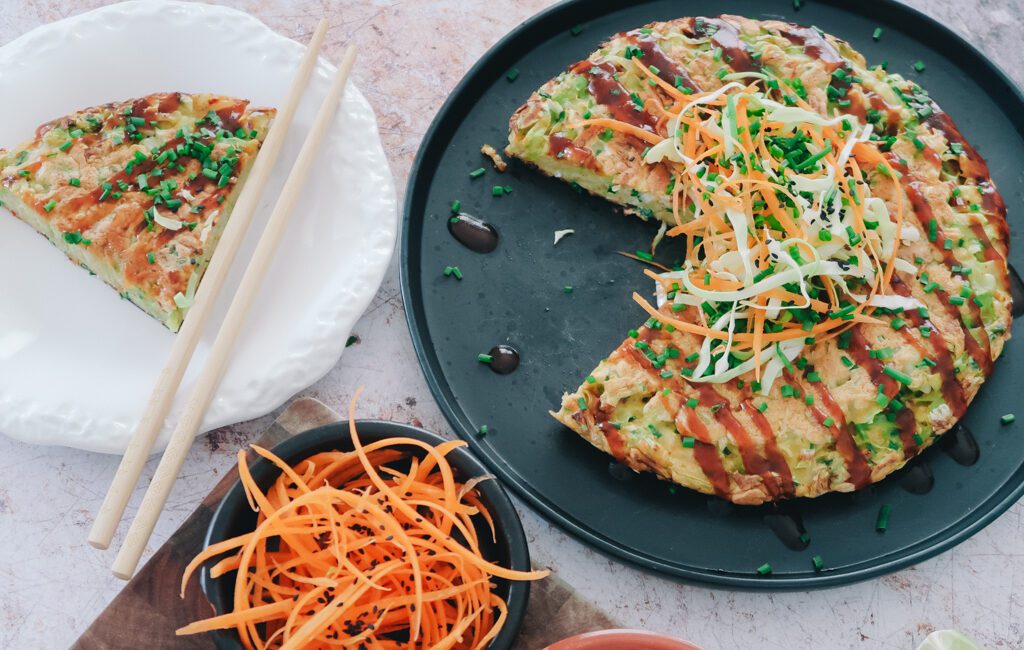
Sometimes I scatter a few extra spring onions over the top. If I add anything alongside, it’s sharp and simple. Dressed leaves, a few slices of cucumber. That’s plenty.
I don’t try to make these Okonomiyaki pancakes with Gochujang impressive. They manage that on their own, which is why they’ve earned a permanent place in my recipe rotation. It’s food that tastes sensational without asking much of you — this is a low effort, high reward recipe, and I make absolutely no apology for it.
If this kind of gentle heat and savoury comfort appeals, my Sprout & Harissa Potato Hash with Eggs lives in a similar place. Different flavours but the same intention.
Eat while it’s warm and enjoy the flavours of Japan!

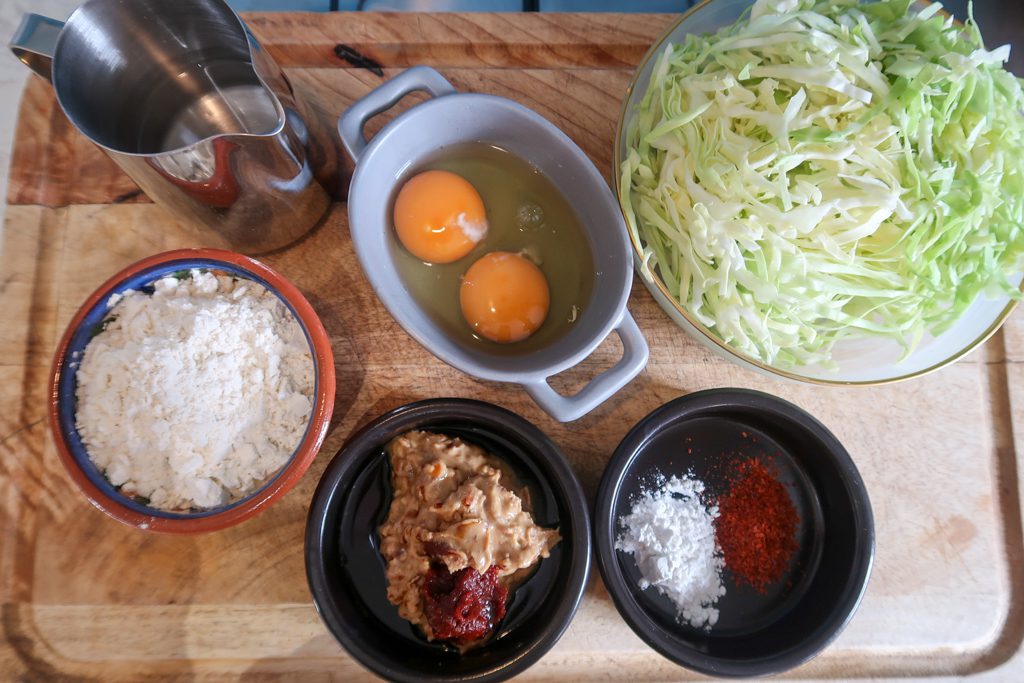
Ingredients
-
Pancake Batter
- Gochujang Peanut Dipping Sauce
Instructions
-
Make the batter (5 mins)
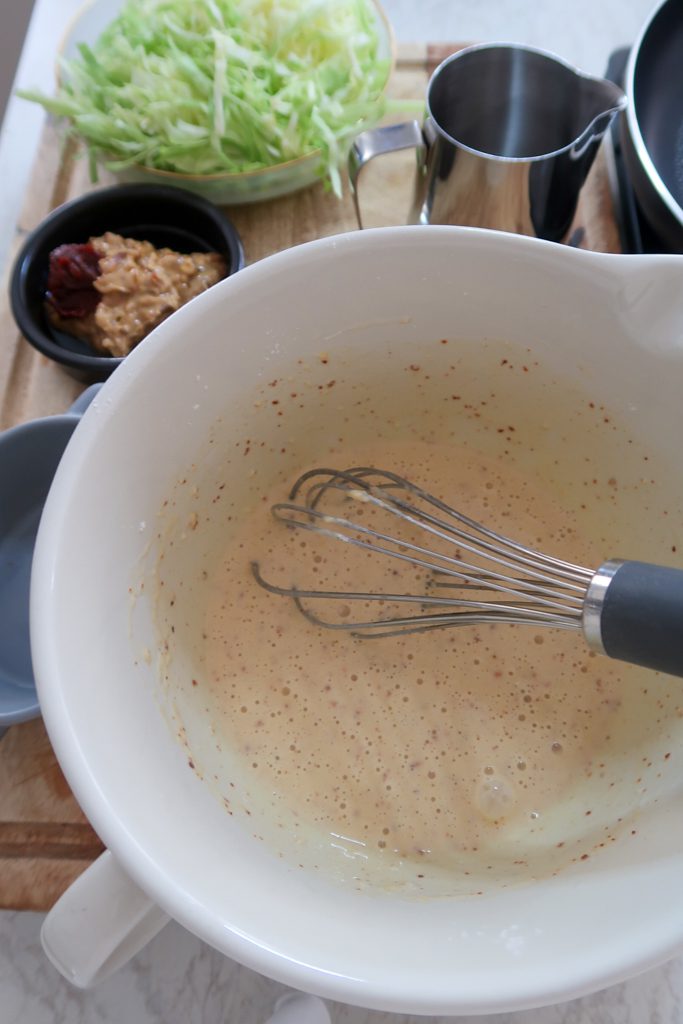
- Whisk the flour, baking powder, salt and gochugaru together in a large bowl.
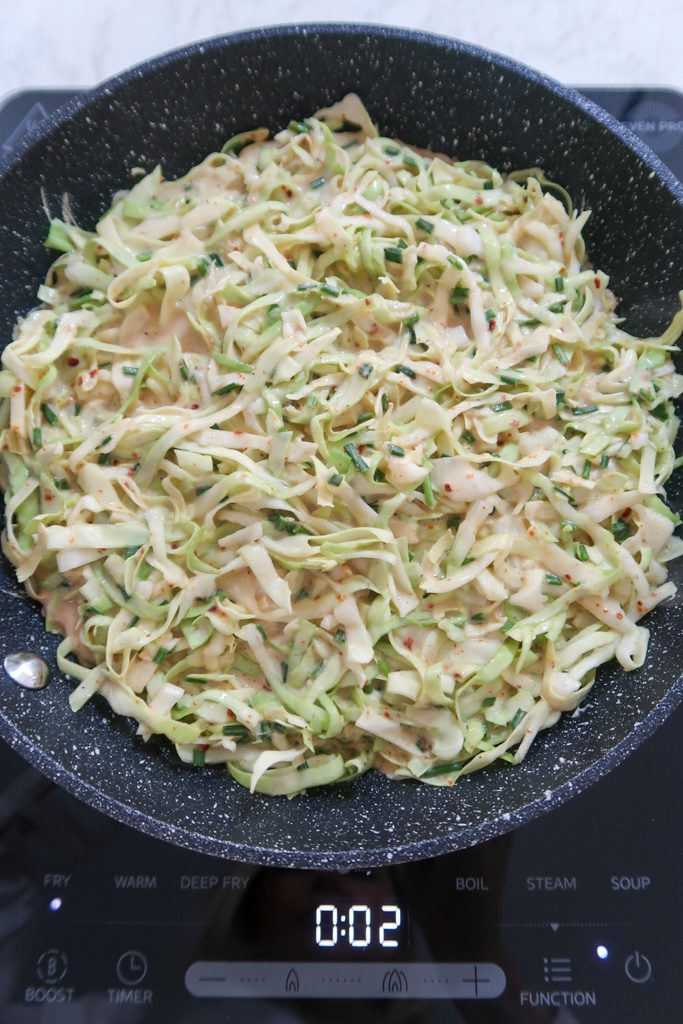
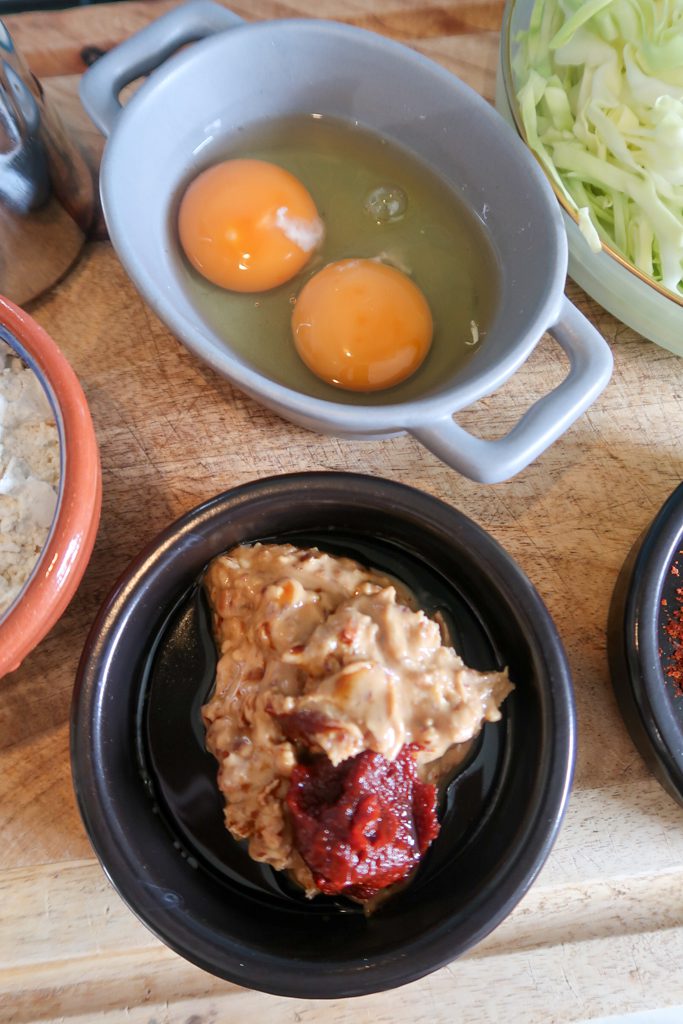
- Add the egg and cold water and whisk until smooth and loose. Fold through the vegetables (2 mins)
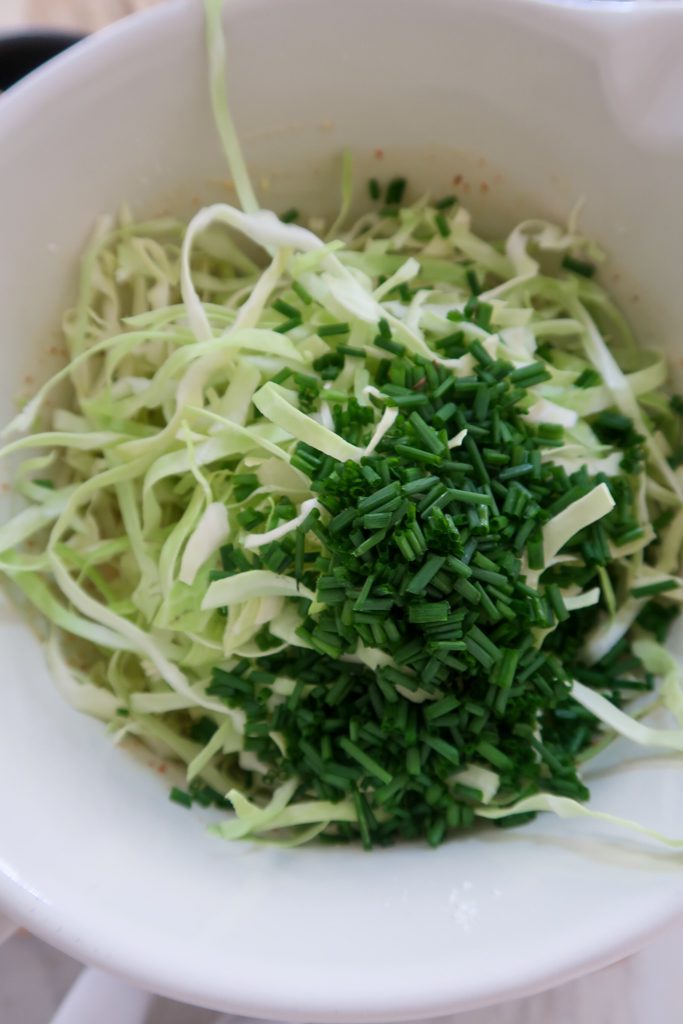
- Add the sliced cabbage and spring onions.
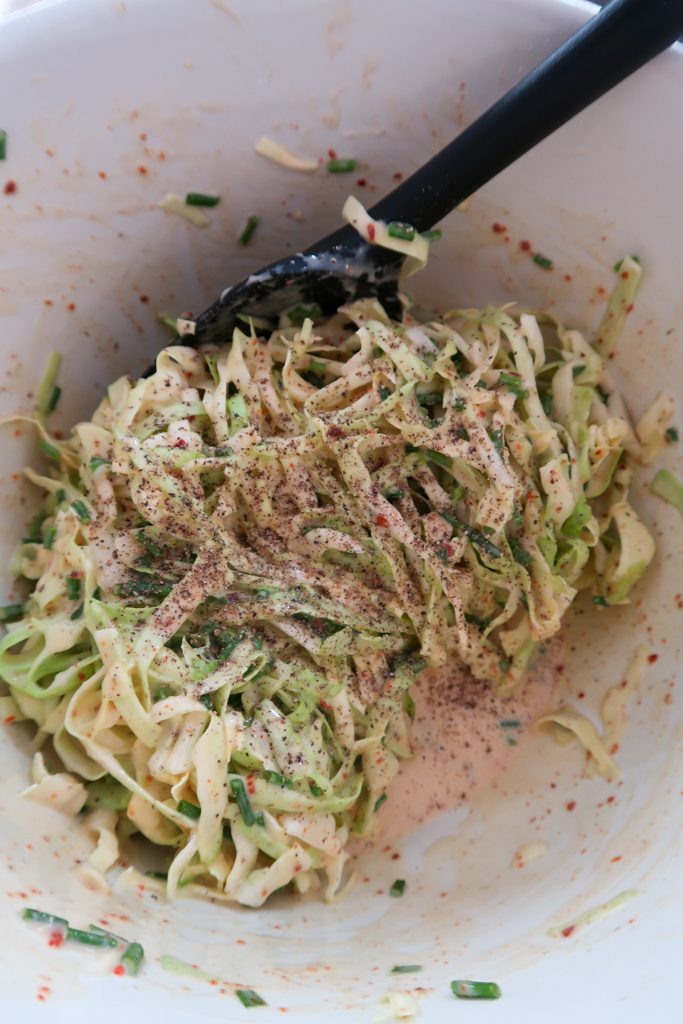
- Fold gently until evenly combined, keeping the mixture light rather than compressed. Cook the pancakes (8–10 mins)
- Heat a wide frying pan over medium-high heat with a thin slick of oil.
- Spoon in the batter to form small pancakes.
- Cook for 3–4 minutes until the edges are crisp and golden, then flip and cook for a further 2–3 minutes until cooked through. Make the dipping sauce (3 mins)
- In a small bowl, stir together the peanut butter, soy sauce and gochujang until smooth.
- Add the rice vinegar and sesame oil, then loosen gradually with cold water until spoonable but still rich. Serve
- Serve the pancakes hot, tearing rather than cutting, with the dipping sauce on the side.
Notes
Gochugaru adds warmth, not heat — keep it subtle to preserve the clean cabbage flavour. Don’t overmix the batter; a lighter hand gives softer centres. Keep the sauce for dipping, not pouring, to preserve the crisp edges. These are best eaten straight from the pan while the next batch cooks. Tahini can replace peanut butter for a nut-free version (loosen generously).